Smart Landscaping Solutions for Water Conservation Jul 05, 2026
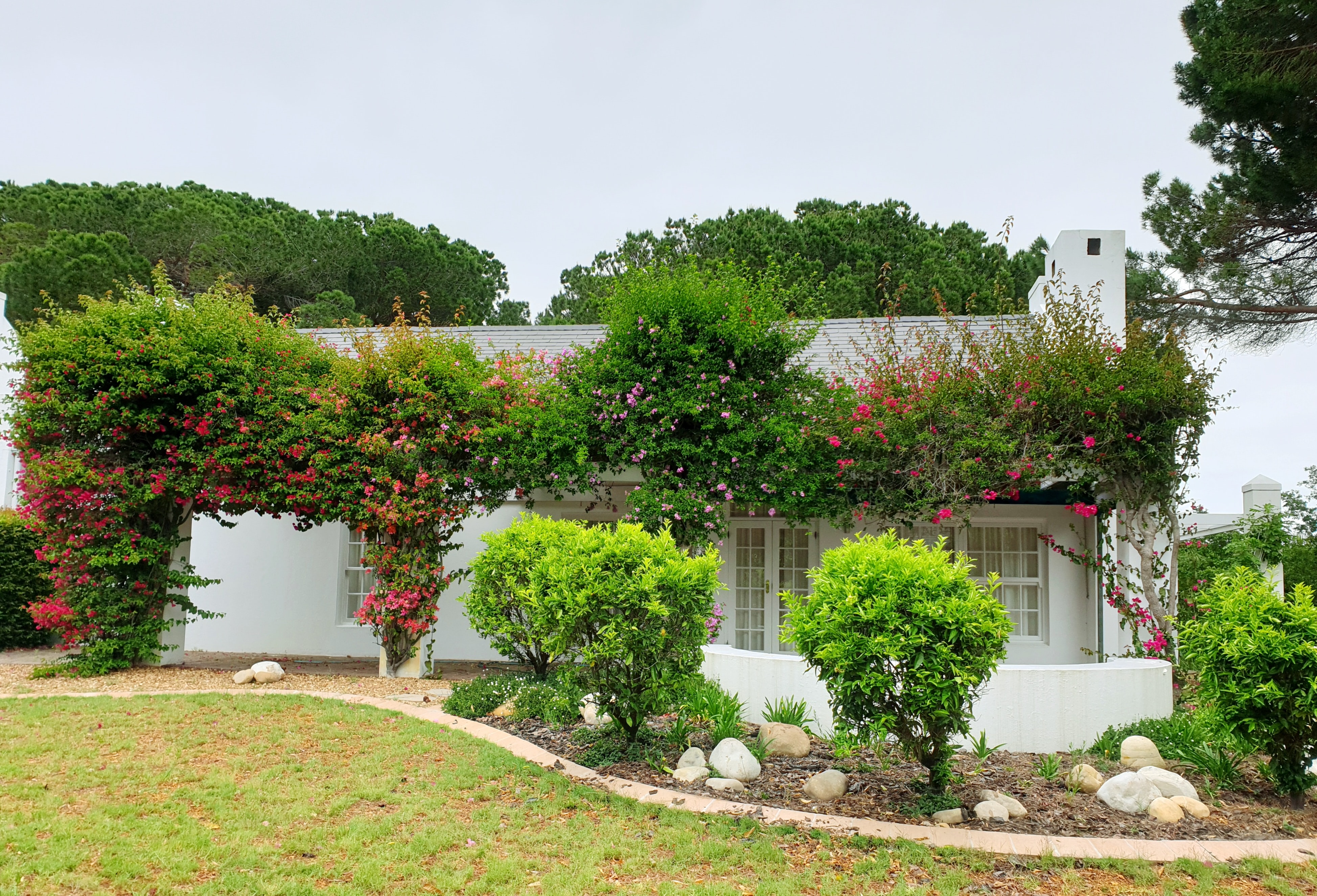
One of the most effective strategies for water conservation in landscaping is xeriscaping. This approach involves designing your landscape to reduce the need for irrigation. By choosing drought-resistant plants, you can create a vibrant garden that requires minimal watering. Native plants are often the best choice as they are adapted to local climate conditions and typically need less water. Additionally, incorporating ornamental grasses and succulents can enhance the visual appeal of your garden while being low-maintenance.
Another key aspect of smart landscaping for water conservation is the use of efficient irrigation systems. Traditional sprinklers can often lead to water waste through runoff and evaporation. Instead, consider installing a drip irrigation system. This system delivers water directly to the roots of plants, ensuring they get the moisture they need without unnecessary waste. Smart irrigation controllers can also be employed; they adjust watering schedules based on weather forecasts and soil moisture levels, optimizing water use beyond what’s achievable with manual systems.
Mulching is another simple yet effective way to conserve water in your garden. A good layer of mulch helps retain soil moisture by reducing evaporation. It also acts as an insulator, keeping roots cool during hotter months and warmer in the cooler months. Organic mulches, such as wood chips or shredded bark, gradually decompose, also contributing valuable nutrients to the soil.
Incorporating rainwater harvesting into your landscaping is yet another efficient water-saving technique. Collecting rainwater from your roof via gutters and directing it into barrels allows you to gather water naturally for future use in your garden. This method reduces reliance on municipal water sources and can cut down on utility costs over time. It’s a sustainable practice that aligns perfectly with eco-friendly landscaping goals.
Implementing terracing and contouring in your landscape design can facilitate water retention in areas prone to runoff. By creating subtle raised areas and depressions, you can direct water towards plants, enhancing natural absorption and minimizing erosion. This geographical modification works best on properties with slopes or uneven terrain.
Finally, routine lawn care adjustments can also contribute significantly to water conservation. Mowing your grass at a taller height, for instance, can promote deeper root growth and contribute to soil shading, reducing moisture loss. Proper fertilization tailored to specific soil needs ensures that your lawn stays healthy with less water requirement.
At Shoreline Lawn Care LLC, we are committed to providing smart and sustainable landscaping solutions that meet your needs while promoting environmental stewardship. By adopting these water-saving practices, not only do you contribute to preserving natural resources, but you also ensure your lawn’s health and longevity. For more personalized advice or to learn more about how we can help transform your lawn, reach out to our team of experts today. Together, we can create a beautiful, sustainable outdoor space that complements your lifestyle and respects the environment.
/filters:no_upscale()/filters:format(webp)/media/mulch-installation-2.jpeg)