Shoreline's Guide to Balancing Lawn Aesthetics and Biodiversity May 03, 2026
To begin with, it's essential to understand what biodiversity means in the context of your lawn. Biodiversity involves creating an environment where various plant species coexist, offering habitats and food for insects, birds, and other wildlife. A biodiverse lawn is resilient, adapts better to environmental changes, and requires less maintenance in the long run.
Start by choosing a mix of native grass species and wildflowers. Native plants are naturally adapted to the local climate and soil conditions, which minimizes the need for chemical fertilizers and excessive watering. They also provide essential resources for native pollinators and other wildlife. Incorporating clover and wildflowers not only enhances visual appeal with vibrant colors but also contributes to local ecosystems by attracting beneficial insects.
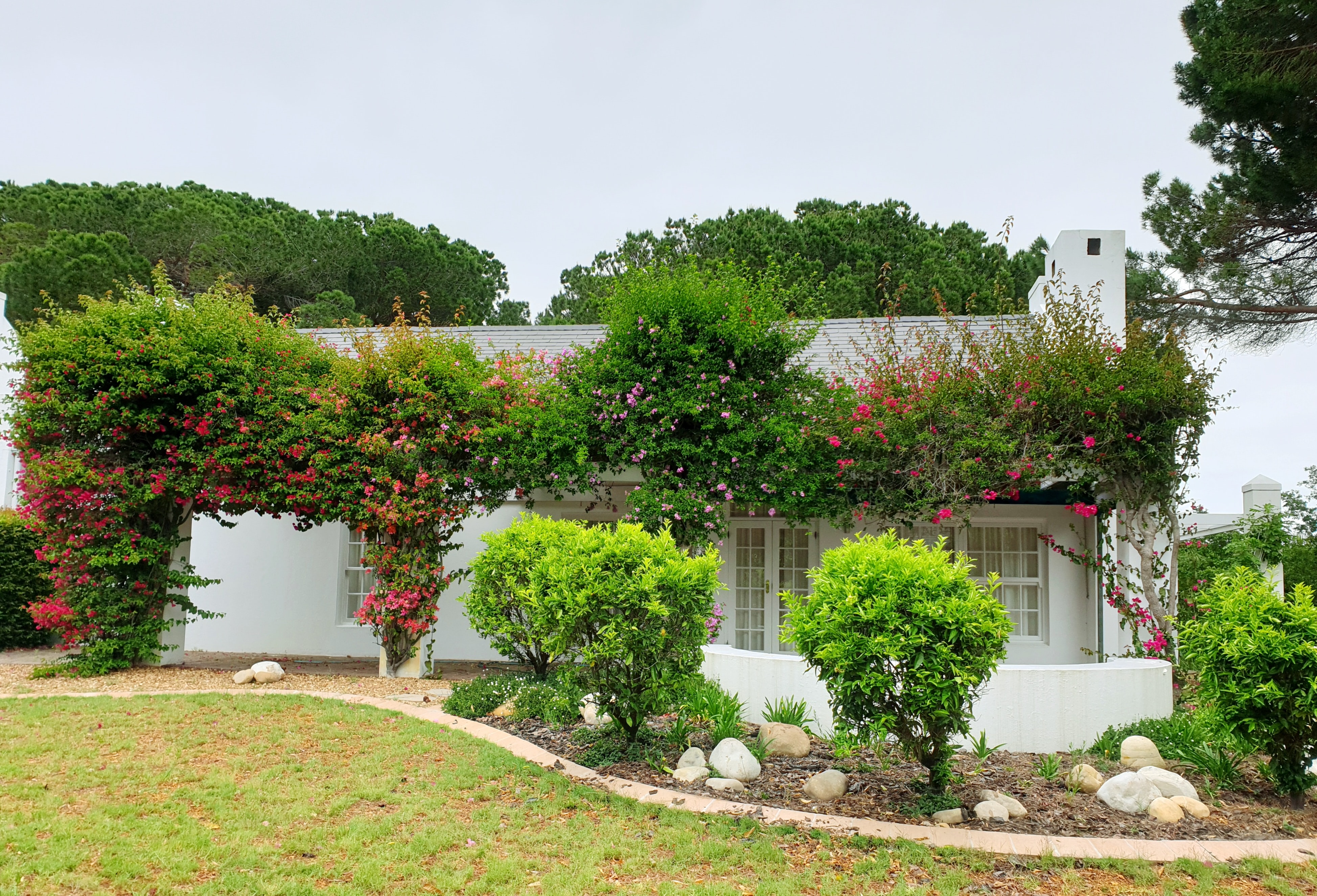
Another crucial step towards increasing biodiversity while maintaining an aesthetically pleasing lawn is to create different layers and textures. You can achieve this by planting shrubs and small trees along the edges, which adds depth and serves as natural borders. Layered planting not only looks more dynamic but also provides shelter and nesting sites for various creatures.
Lawn maintenance practices significantly influence biodiversity. Traditional approaches often focus on uniformity, with frequent mowing and fertilization. However, altering these practices can benefit the environment. For instance, consider adopting a less aggressive mowing schedule. Allowing your grass to grow slightly longer can help the root system develop more extensively, enhancing drought resistance. Moreover, this approach provides cover and habitat for small animals and insects.
Incorporate organic lawn care methods where possible. Opt for natural fertilizers like compost, which enriches the soil and promotes healthy plant growth without applying harmful chemicals. By avoiding pesticides, you protect beneficial wildlife like bees and butterflies, which are vital for pollination.
Introducing water features or rocky areas can greatly enhance biodiversity. Small ponds or bird baths can attract amphibians and birds, while rocky sections can provide habitats for insects and small animals. These elements create a lawn full of life and movement, enhancing its aesthetic and ecological value.
Finally, educate yourself on the specific needs of the species you want to attract. Understanding the behaviors and preferences of local wildlife allows you to create a welcoming environment. You can also reach out to local gardening clubs or wildlife organizations for advice on the best practices for encouraging biodiversity in your area.
In conclusion, a lawn that balances aesthetics with biodiversity benefits not only the environment but also the homeowner. At Shoreline Lawn Care LLC, our team is dedicated to helping you achieve this balance. By making thoughtful choices about plant selection, maintenance routines, and landscape design, you are investing in a lawn that is lush, vibrant, and teeming with life. Embrace the beauty of nature in your own backyard and transform your lawn into a sustainable, biodiverse haven.
/filters:no_upscale()/filters:format(webp)/media/mulch-installation-2.jpeg)